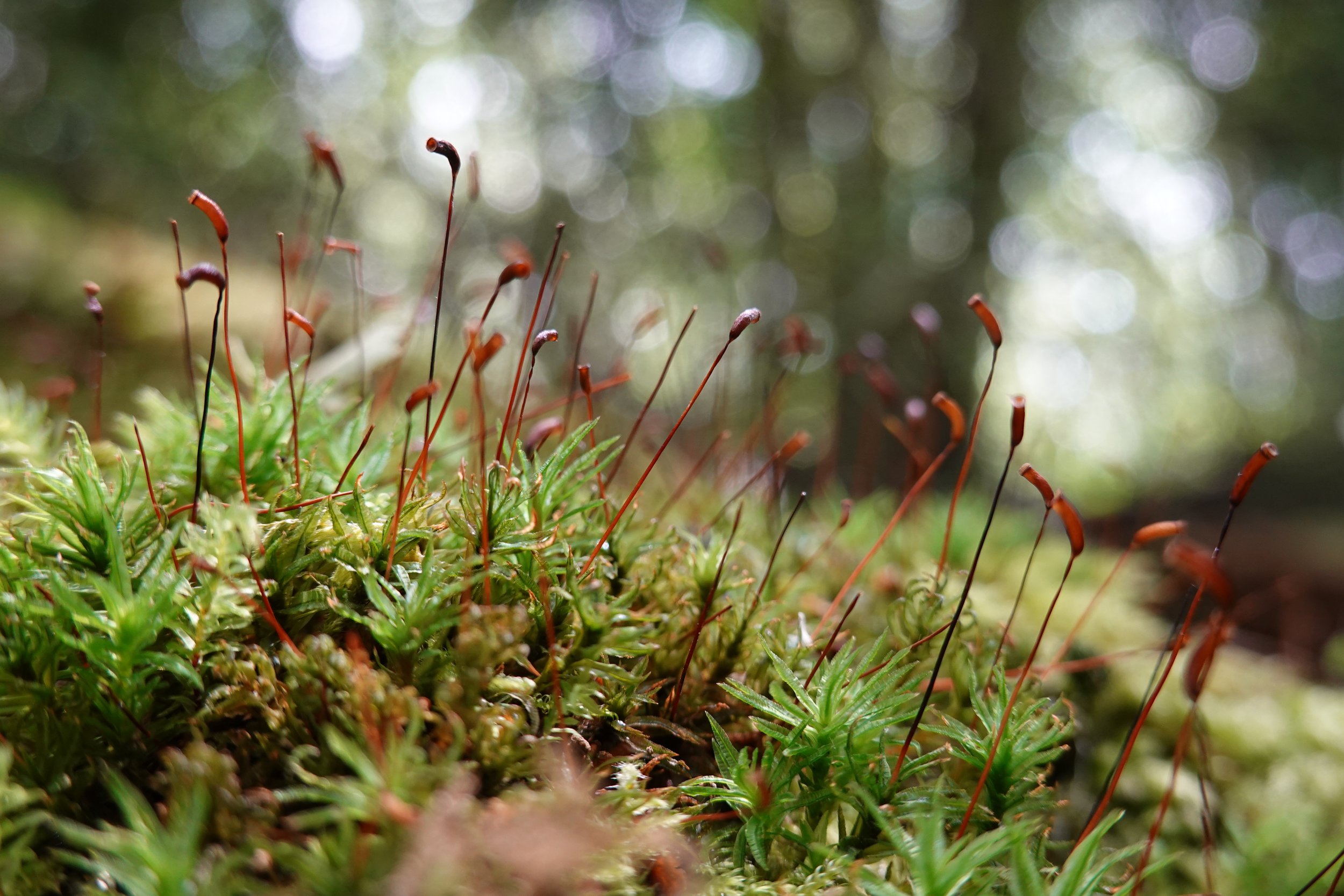
Habitat As Studio - The Botanical Self
This work marks the beginning of my exploration into the ritual of foraging as an overlooked practice intrinsically linked to womanhood, craft, fine art and a sustainable way of living. I intend to investigate how these rituals faded over time, identify the steps necessary to reclaim them, and demonstrate their essential role in fostering a sustainable future. Through this lens, I hope to reveal how re-engaging with these practices can offer valuable insights and pathways toward environmental resilience and cultural continuity.
These projects are “The Botanical Self” a body of work exploring the entanglement of human and plant life through a range of organic experimentation. Building on my interdisciplinary practice, which spans sculpture, self-in-nature, and materially sensitive processes, this project will use plants both materially and conceptually to examine ecological identity and the fluid boundary between body and environment.
To find out more click the links to my practice and research below
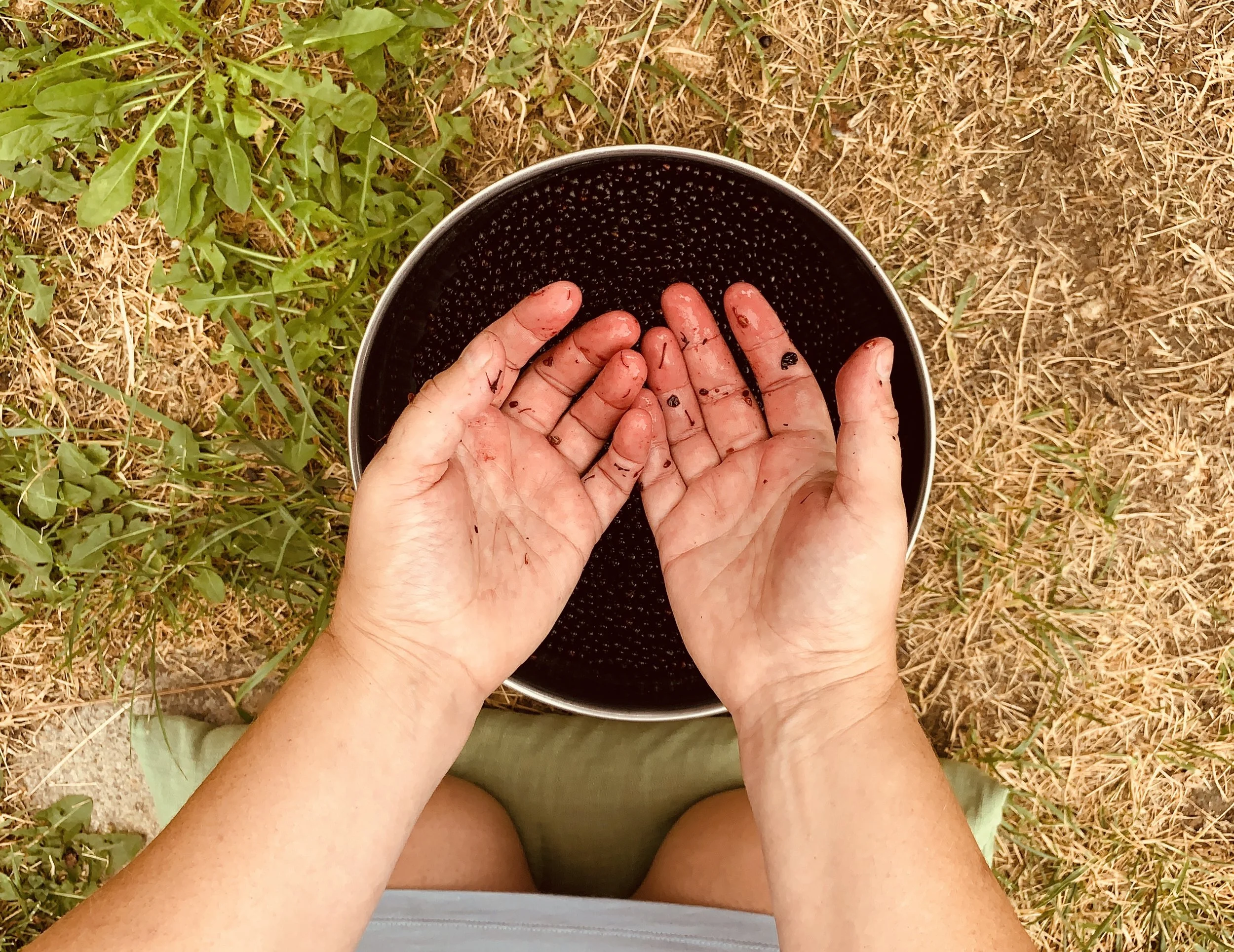
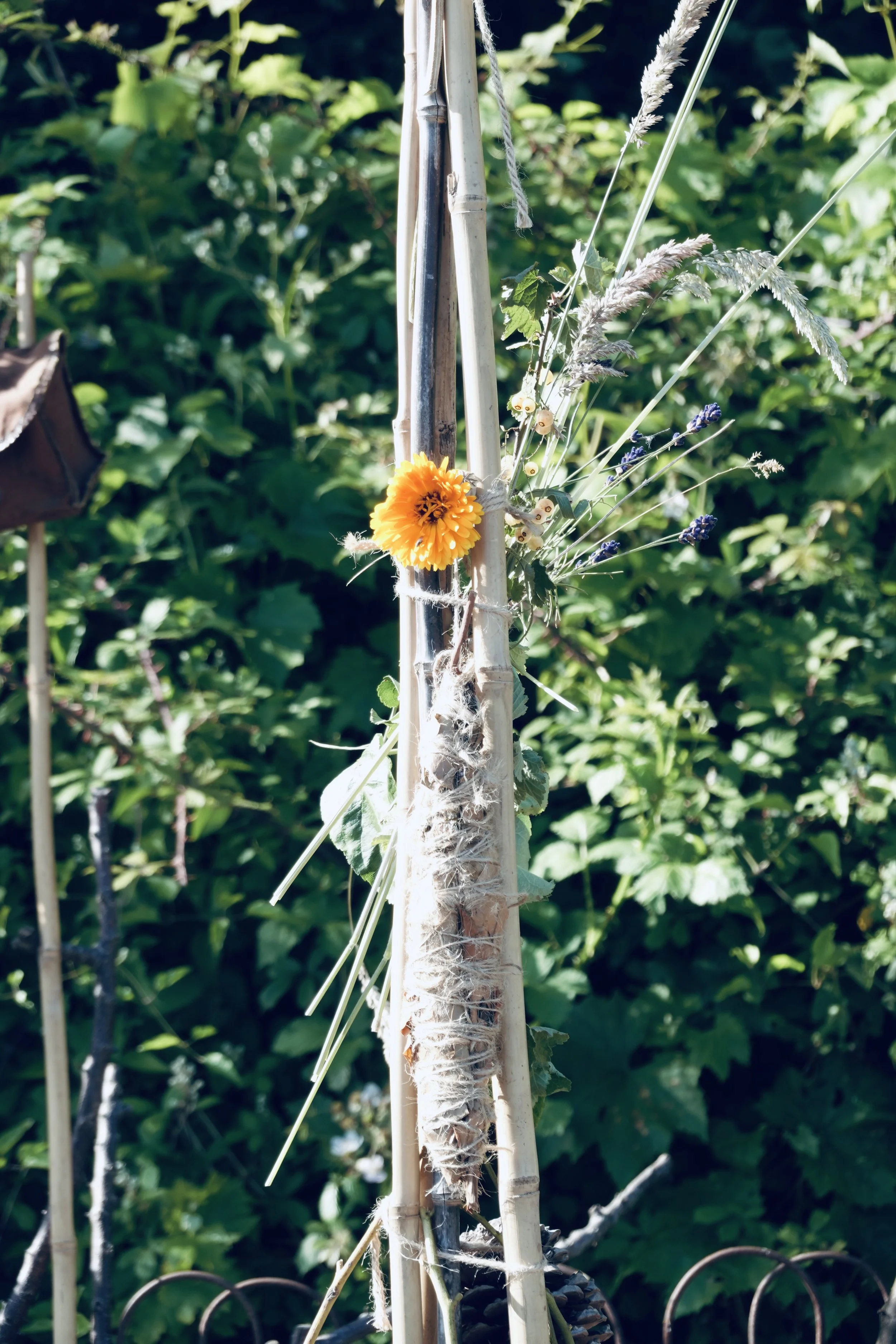
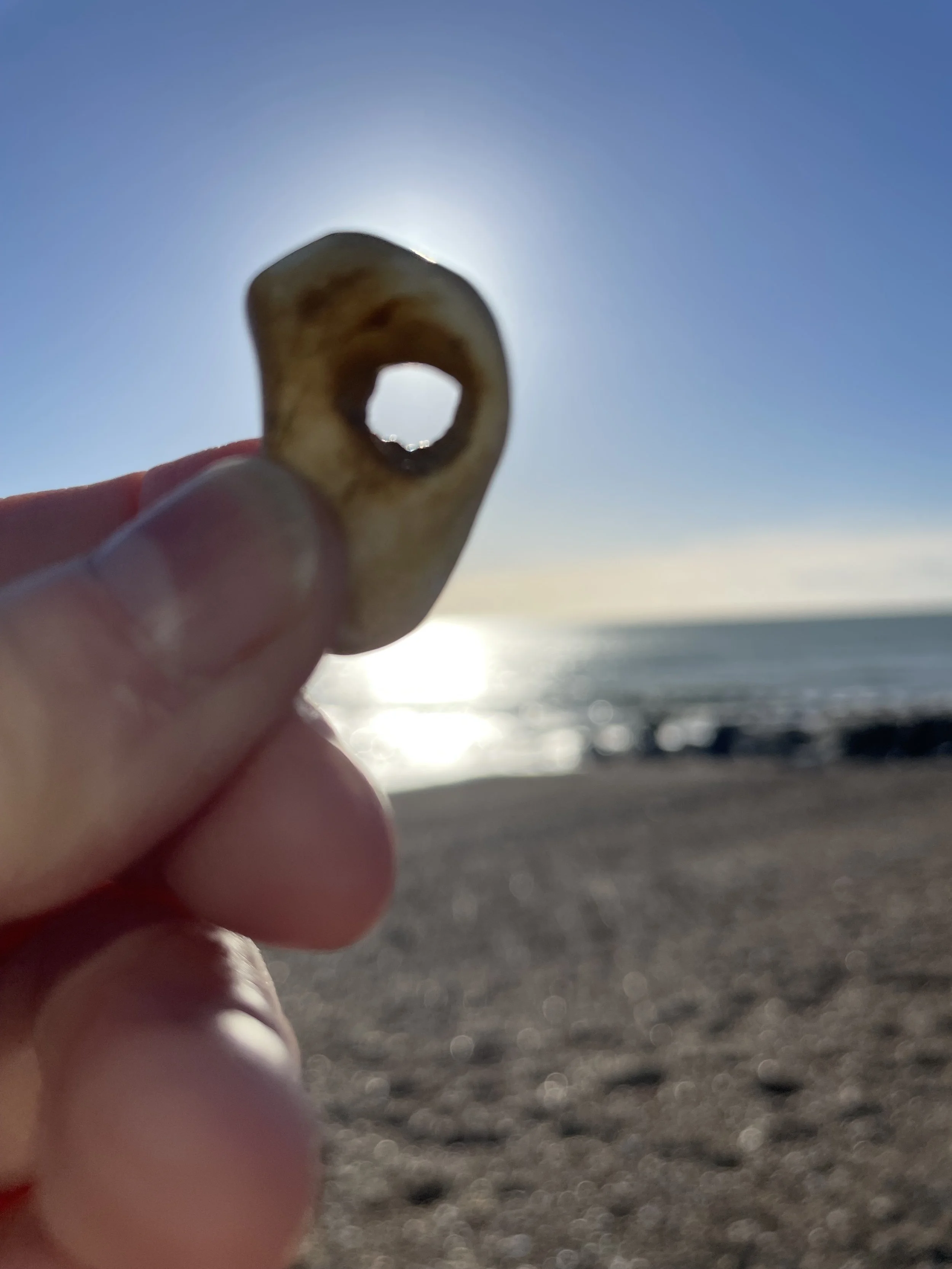
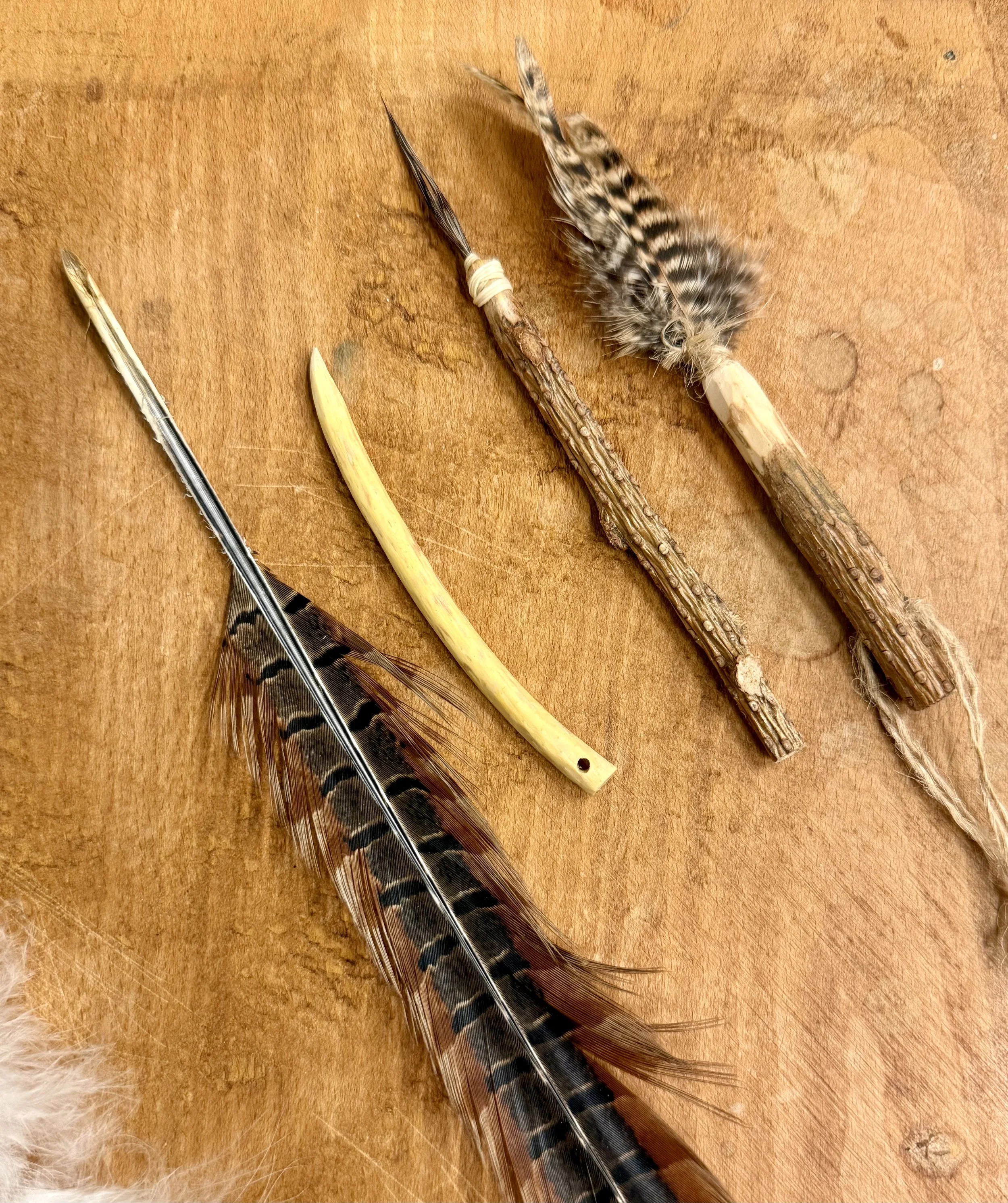
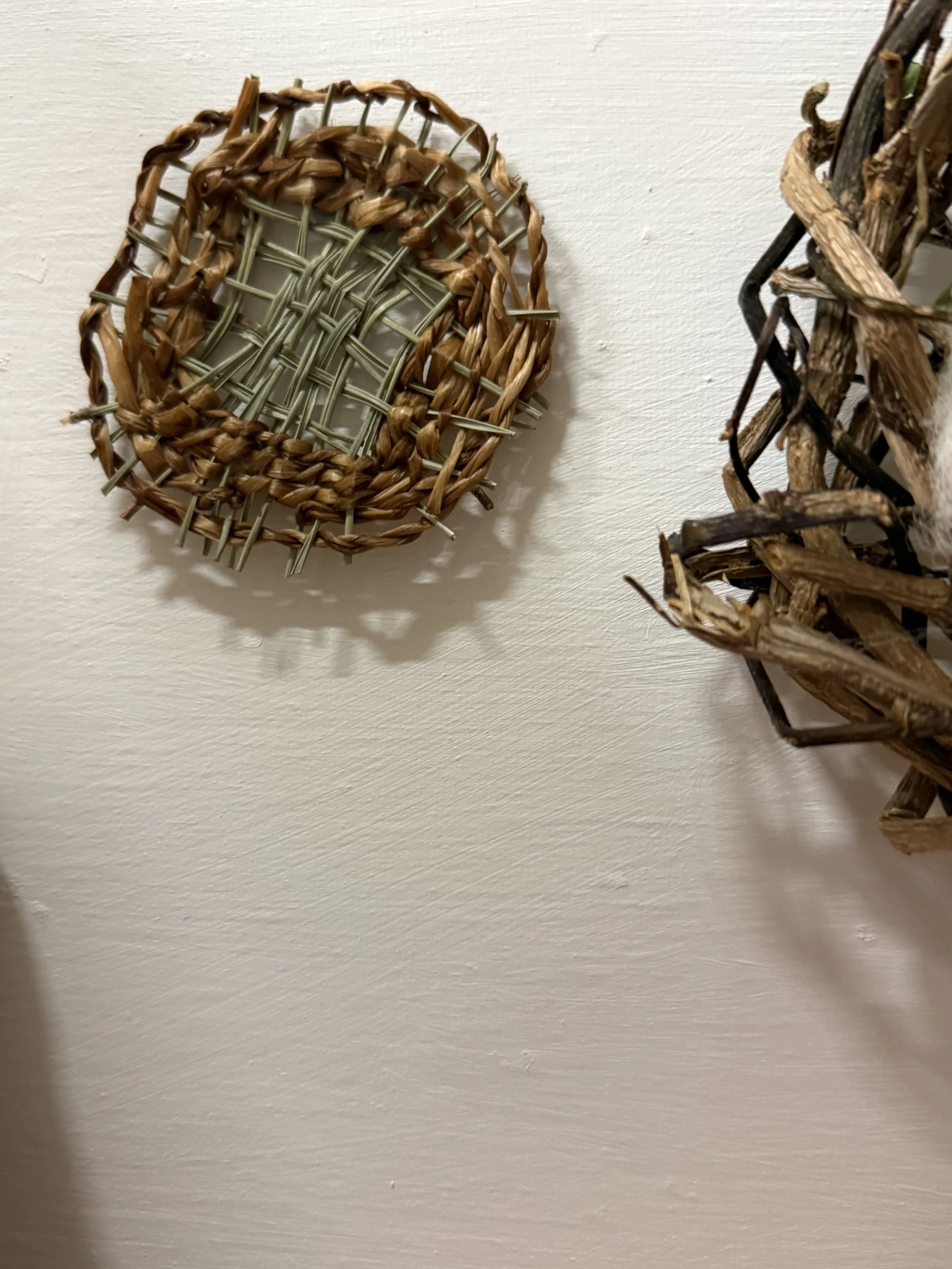
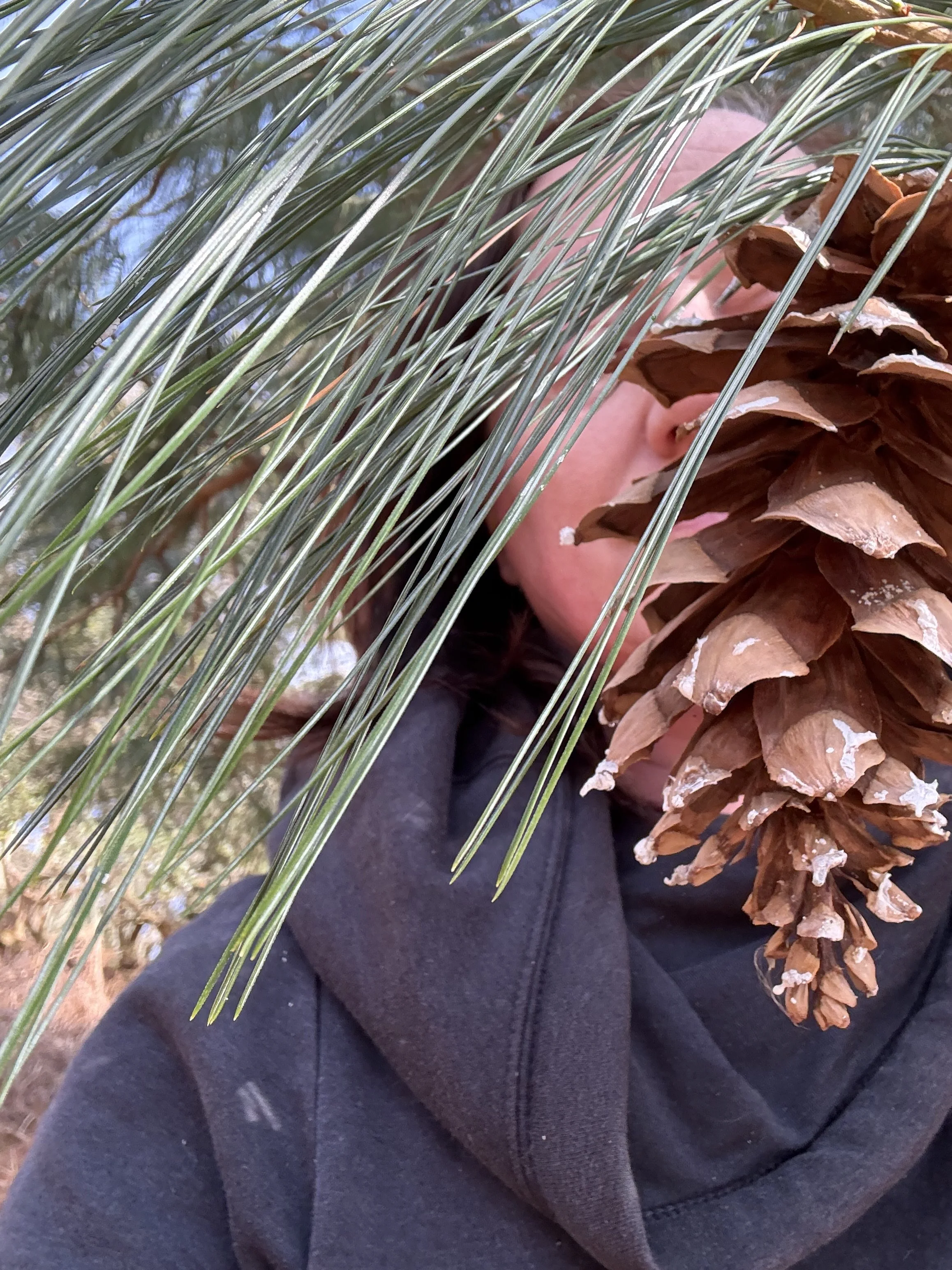
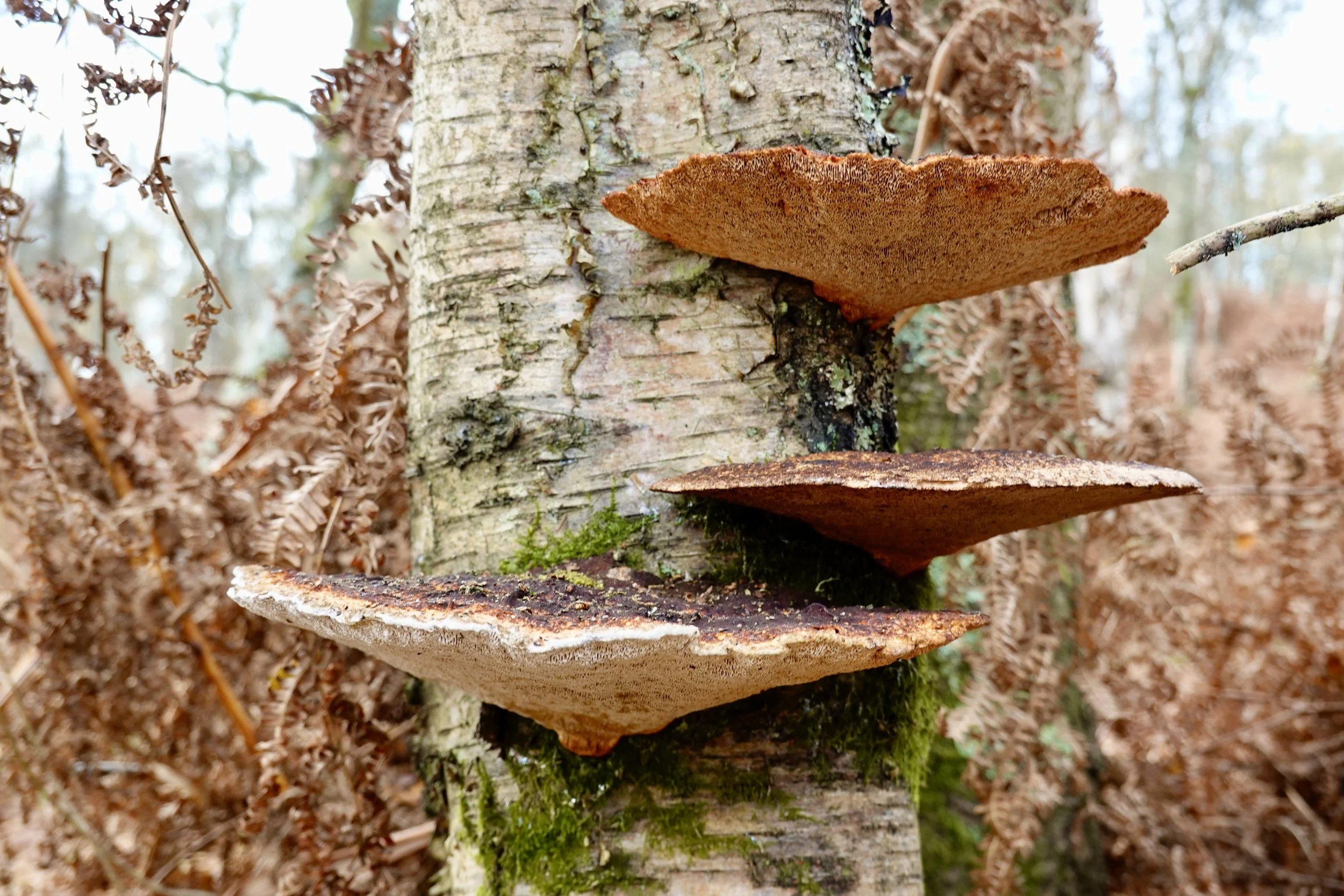
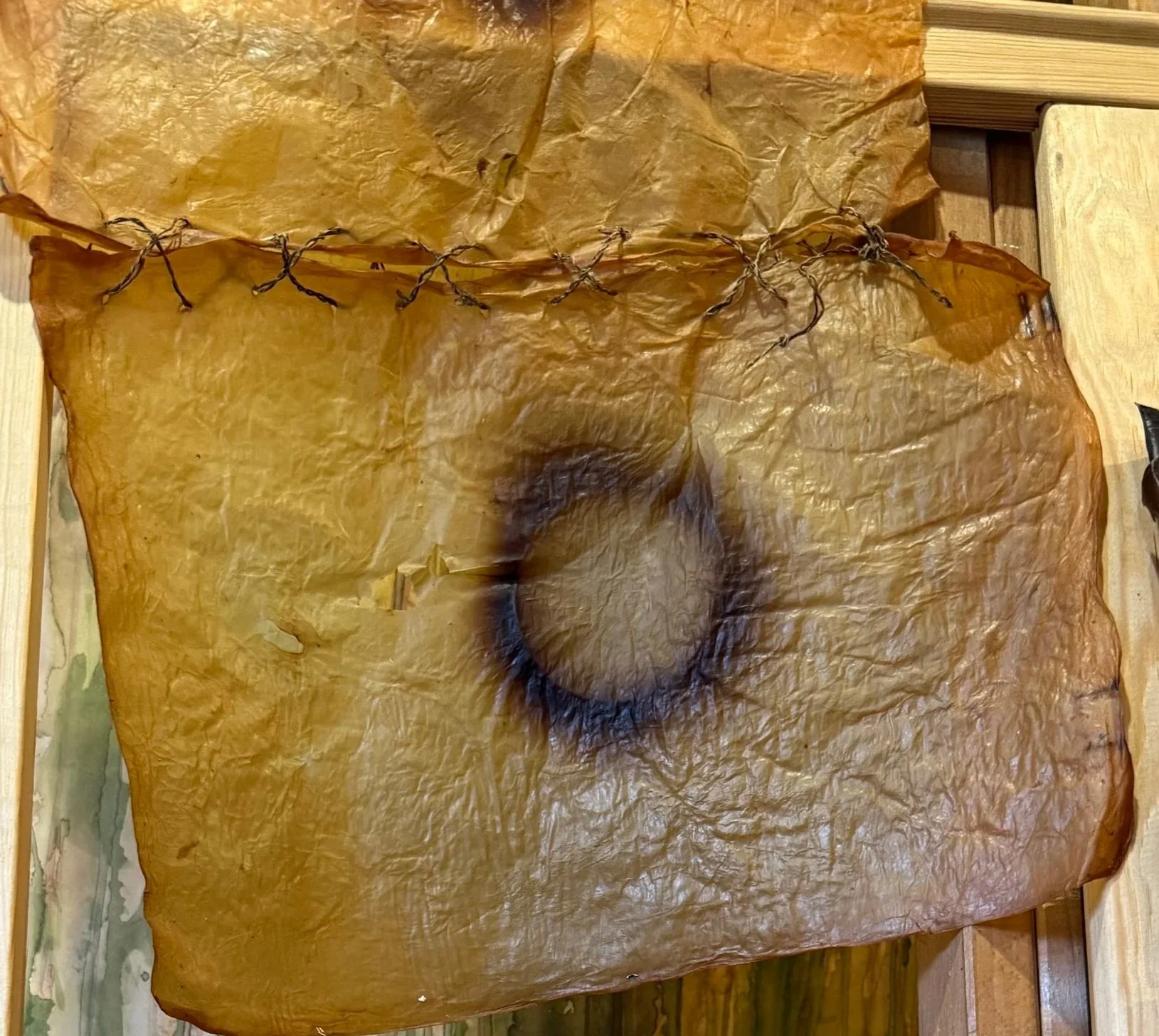
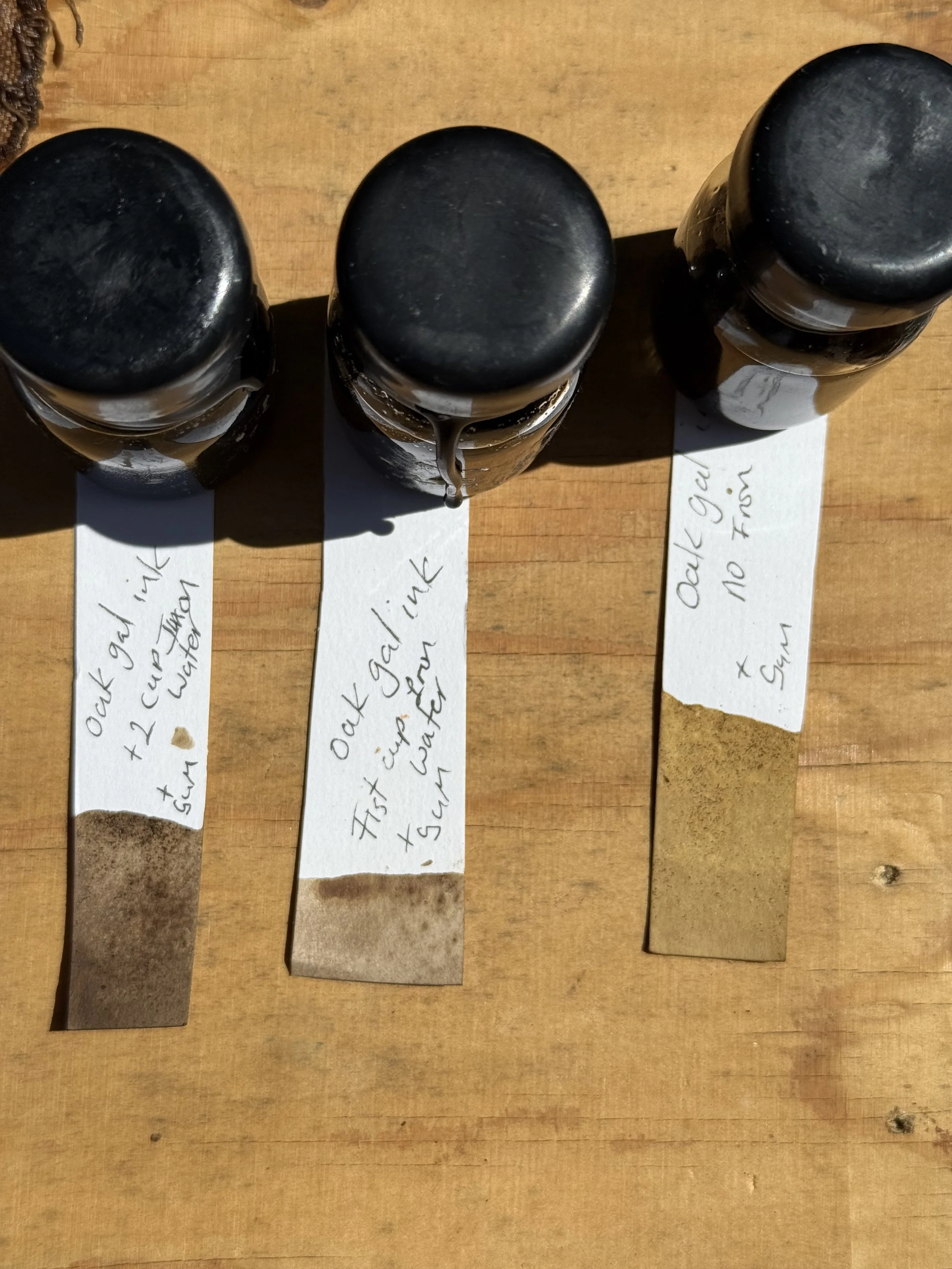
Just a little info on why my practice has changed for the better both for myself and the environment
I grew up in the North West of England, and my current work goes back to that time. Growing up around disused railway tracks and old industrial buildings like the local cotton mills. As a child I collected plants, stones and other found things outside, and used them to make my own mini collections, treasures and potions as I used to call them.
I could be ding this for hours, I had no idea, that as I turned 50 I would be doing that very same thing again! We also went blackberry, elderberry, sloe and crab apple picking as a child, often along disused railway tracks, to make wine and pies. My mother made her own wine at home, and more than once the bottles exploded from the pressure building up inside them. I feel that pressure now as an artist, and environmentalist, that more needs to be done.
I carried on picking berries now and then over the years but foraging only became central to my practice about five years ago, when my health started to decline. I investigated plants and natural remedies as a different way to manage my wellbeing, and that's when foraging shifted from a hobby into something I relied on.
My mother has always been an intuitive, creative person. She told us stories from her youth about a friend whose family had Romani heritage and were said to have certain abilities. She also spoke about visions she'd had as a teenager, and about deciding firmly, at the time, not to pursue that side of herself.
These stories have stayed with me, and they've fed into my interest in foraging, ritual and womanhood. I originally trained and worked as a traditional artist, but ill health interrupted that, and I turned to nature and plants for support. During my health decline and still wanting to pursue art. I enlisted my husband to help me with some of the heavier, lengthy aspects of this practice.
Around the same time, I started reading more about women's historical knowledge of herbs and healing, and how many of these women were later persecuted as witches.
Reading Women Who Run with the Wolves was part of this, it looks at how women's history has often been reshaped into folklore and raises questions about how respected wise women and healers came to be reframed as witches over time. This led me to briefly research the Pendle witch trials, which took place in a region close to where I grew up.
My current work documents my foraging and art practice. But the research of these women is always in the back of my mind when I am creating, I feel it is ingrained within my psyche to do this.
Over the last three years, my practice has changed alongside my health. Foraging has become a serious, ongoing part of what I do, shaped partly by this research into womanhood.
My work now looks at why this kind of practical, plant-based knowledge was lost, and how it might still be useful at a community level, finding and sharing sustainable practices rooted in this older knowledge in a way communities can use directly.